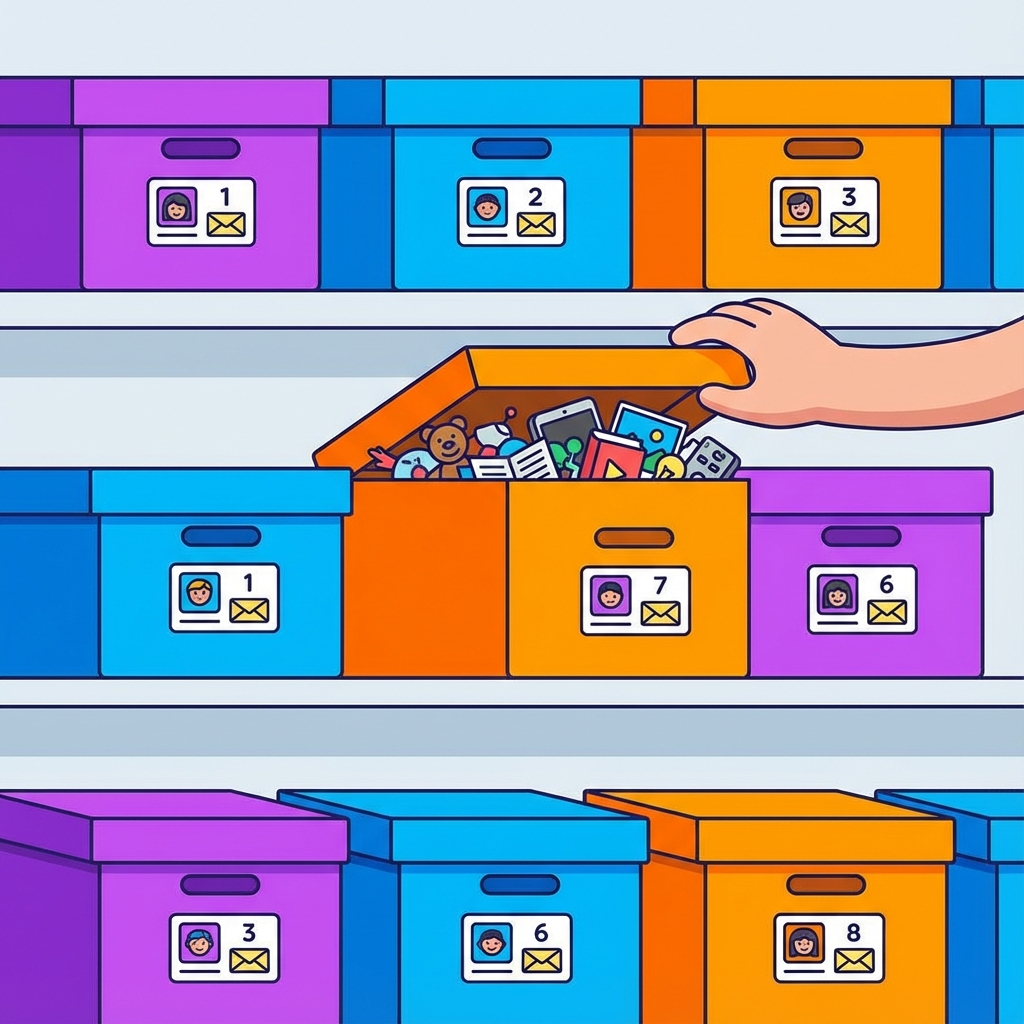
Variables are one of the most fundamental concepts in programming. But what exactly are they? Think of them as labeled storage boxes where you can keep information.
Imagine you have a storage room with boxes. Each box has a label on it (like "Winter Clothes" or "Books") and contains specific items. In programming, a variable is just like that labeled box - it has a name and stores a value.
How Variables Work
When you create a variable, you're essentially:
- Getting a box: Reserving space in computer memory
- Labeling it: Giving it a name you can remember
- Putting something in it: Storing a value
Real-World Example: User Profile
Let's say you're building a social media app. You need to store information about a user:
- 📦 username box contains: "john_doe"
- 📦 age box contains: 25
- 📦 email box contains: "john@example.com"
- 📦 isVerified box contains: true
Without variables, you'd have to remember exact values and rewrite them every time. Variables let you:
- Store information once and use it many times
- Update values easily (like changing your profile picture)
- Make your code readable and maintainable
Types of Boxes (Data Types)
Just like storage boxes come in different sizes, variables can hold different types of data:
- 🔢 Numbers: age = 25, price = 19.99
- 📝 Text (Strings): name = "Alice", city = "New York"
- ✅ True/False (Booleans): isLoggedIn = true
- 📋 Lists (Arrays): colors = ["red", "blue", "green"]
Changing What's Inside
The beauty of variables is that you can change their contents:
Start with: cartTotal = 0
Add item: cartTotal = 25
Add another: cartTotal = 50
Apply discount: cartTotal = 40
Naming Your Boxes
Good variable names are like good labels - they should be clear and descriptive:
- ✅ Good: userAge, totalPrice, isActive
- ❌ Bad: x, temp, data1
Variables in Everyday Apps
- 🎮 Games: playerScore, healthPoints, currentLevel
- 🛒 E-commerce: productName, price, quantity
- 📱 Social Media: postContent, likeCount, timestamp
- 🌤️ Weather Apps: temperature, humidity, location
The bottom line: Variables are the foundation of programming. Just like you organize your belongings in labeled boxes at home, programmers organize data in variables. Master this concept, and you're well on your way to understanding how all software works!