The Restaurant Kitchen Analogy
Imagine you're a chef who has perfected a recipe at home. You can make the perfect pasta dish in your kitchen, but when you try to replicate it in a restaurant kitchen, something goes wrong. The oven temperature is different, the ingredients are slightly off, and the timing doesn't work the same way.
Docker solves this problem in the software world. It's like having a portable kitchen that you can take anywhere, ensuring your recipe (software) works exactly the same way every time, no matter where you cook (run) it.
What Docker Really Is
Docker is a platform that packages software and everything it needs to run into a standardized unit called a container. Think of it as a lunchbox that contains not just your sandwich, but also the plate, utensils, napkin, and condiments - everything you need for lunch in one portable package.
Key Concepts Made Simple
📦 Container
A running instance of your application with all its dependencies. Like a food delivery box with a complete meal ready to eat.
- Lightweight: Shares resources efficiently
- Isolated: Runs independently without conflicts
- Portable: Works the same everywhere
📝 Image
A blueprint or recipe for creating containers. Like a cookbook recipe that anyone can follow to make the same dish.
- Read-only template
- Contains code, runtime, libraries, and dependencies
- Can be shared and reused
🏭 Docker Hub
A marketplace for Docker images. Like a recipe website where chefs share their recipes, Docker Hub is where developers share container images.
Real-World Example: Coffee Shop App
Let's say you built a coffee shop ordering app that works perfectly on your computer. Without Docker:
- 🚫 Works on your machine but crashes on your teammate's laptop
- 🚫 Requires hours of setup on the production server
- 🚫 "But it works on my machine!" becomes a common phrase
With Docker:
- ✅ Package the app, database, and all dependencies into one container
- ✅ Any computer with Docker can run it instantly
- ✅ Guaranteed to work the same way everywhere
Why Developers Love Docker
🚀 Speed
Setting up a new development environment that might take hours manually can be done in minutes with Docker.
🔒 Consistency
"Works on my machine" is no longer an excuse. If it works in a Docker container on your laptop, it'll work the same way in production.
📦 Resource Efficiency
Unlike virtual machines that need an entire operating system, containers share the host OS, making them lightweight and fast.
🧩 Microservices
Docker makes it easy to break down applications into smaller, manageable pieces that can be developed and deployed independently.
Docker vs Virtual Machines
Think of it this way:
- Virtual Machine: Like building a separate house for each family, complete with its own foundation, walls, plumbing, and electrical system.
- Docker Container: Like apartments in a building - they share the foundation and utilities but are separate living spaces.
Containers are much lighter and faster because they share the host system's kernel and resources.
Simple Docker Workflow
1. Write a Dockerfile (like writing a recipe)
FROM node:14
WORKDIR /app
COPY package*.json ./
RUN npm install
COPY . .
CMD ["npm", "start"]
2. Build an image (prepare the recipe)
docker build -t coffee-shop-app .
3. Run a container (serve the meal)
docker run -p 3000:3000 coffee-shop-app
Real-World Use Cases
- 🌐 Netflix: Uses containers to deploy microservices at massive scale
- 💼 Spotify: Runs thousands of containers for different services
- 🛒 Uber: Deploys updates rapidly using containerized services
- 📚 Universities: Provide consistent programming environments for students
The Bottom Line
Docker is like having a magic box that makes software portable and consistent. Whether you're running it on your laptop, a colleague's computer, or a powerful server in the cloud, Dockerized applications work exactly the same way.
For developers, it means less time debugging "it works on my machine" problems and more time building great features. For businesses, it means faster deployments, better resource utilization, and more reliable applications.
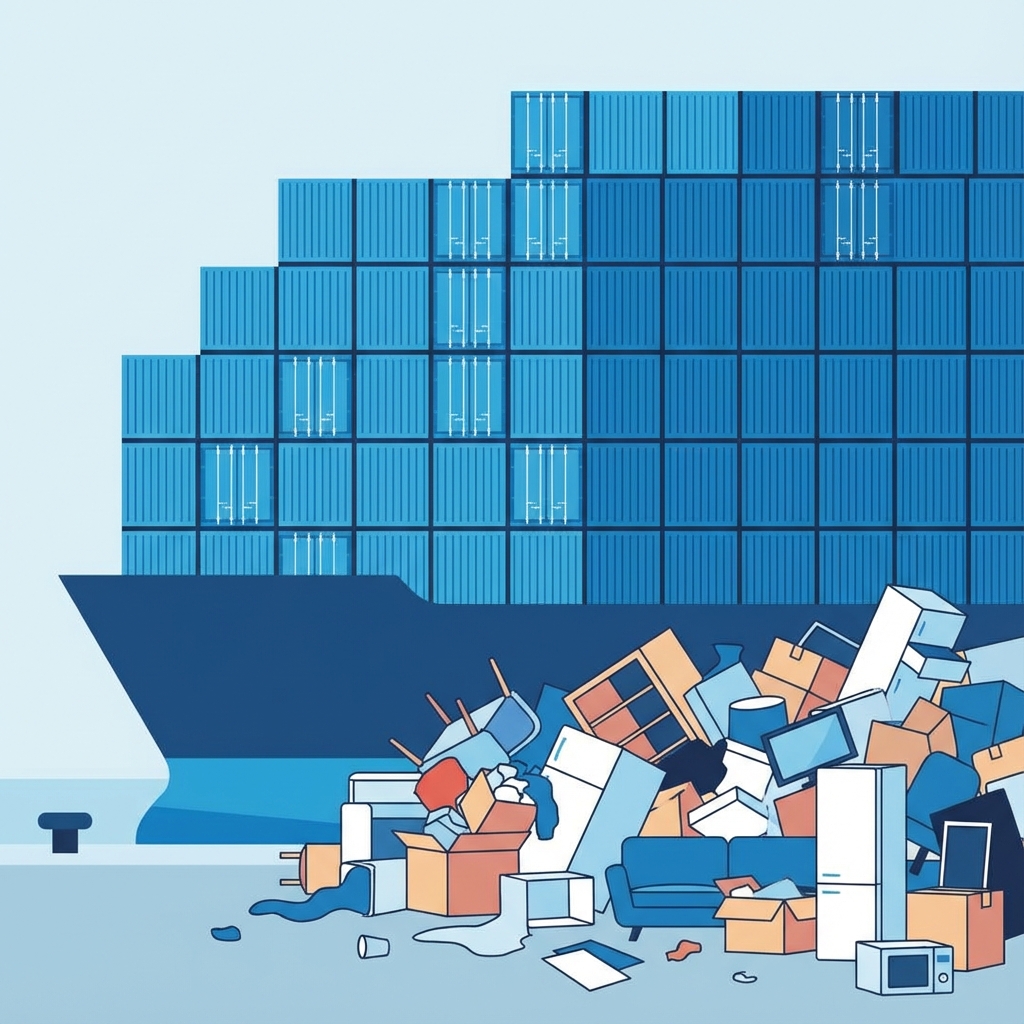
Just like how shipping containers revolutionized global trade by standardizing how goods are transported, Docker containers are revolutionizing how software is developed, shipped, and run.