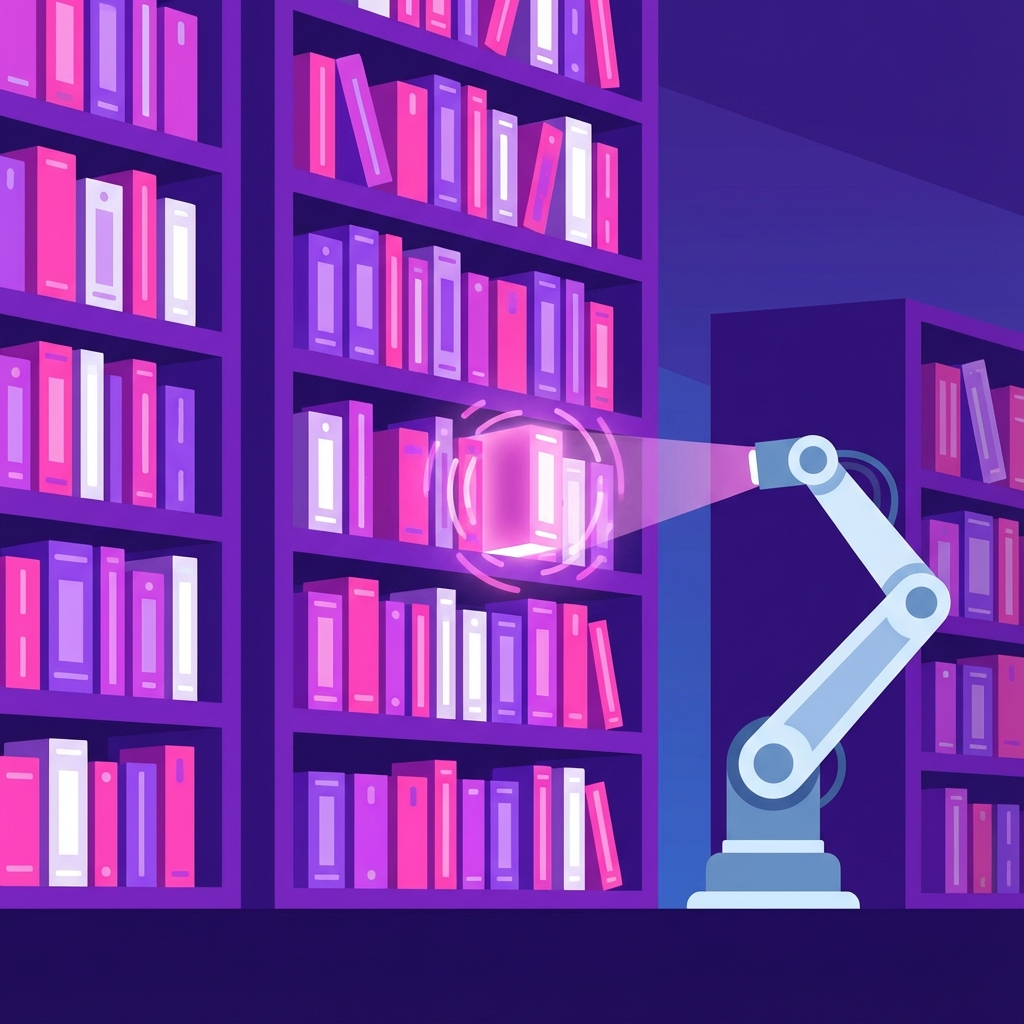
Every app you use - from social media to banking - stores information. But where does all this data go? The answer is databases!
A database is like a highly organized library where information is stored in tables (like different sections of the library). Each table has rows (individual books) and columns (information about each book like title, author, year).
How Databases Work
Imagine a physical filing cabinet with multiple drawers:
- 🗄️ Each drawer is like a table in a database
- 📁 Each folder in the drawer is like a row (one record)
- 📝 The information in each folder is organized by categories (columns)
Real-World Example: Netflix
When you log into Netflix, here's what happens behind the scenes:
- Step 1: You enter your email and password
- Step 2: Netflix checks its database (the filing cabinet) to see if your account exists
- Step 3: If it matches, it pulls up YOUR specific data - your watch history, preferences, etc.
- Step 4: Netflix then shows you personalized recommendations based on that stored information
Without databases, every time you opened Netflix, it would be like visiting for the first time. You'd have to start from scratch! Databases remember everything about you so you don't have to.
Types of Data Stored in Databases
- 👤 User accounts: Your username, password, profile picture
- 🛒 Shopping history: What you've bought, when, and for how much
- 💬 Messages: Your texts, emails, and social media posts
- 📸 Photos and videos: All your uploaded content
- ⭐ Preferences: Your likes, favorites, and settings
Why Databases Are Essential
Databases allow applications to:
- ✅ Remember who you are when you come back
- ✅ Organize massive amounts of information efficiently
- ✅ Search through millions of records in milliseconds
- ✅ Keep data safe with backups and security
- ✅ Share information between different parts of an application
The bottom line: Databases are the memory of every application you use. Just like you organize important documents in a filing cabinet at home, apps organize YOUR data in digital databases!