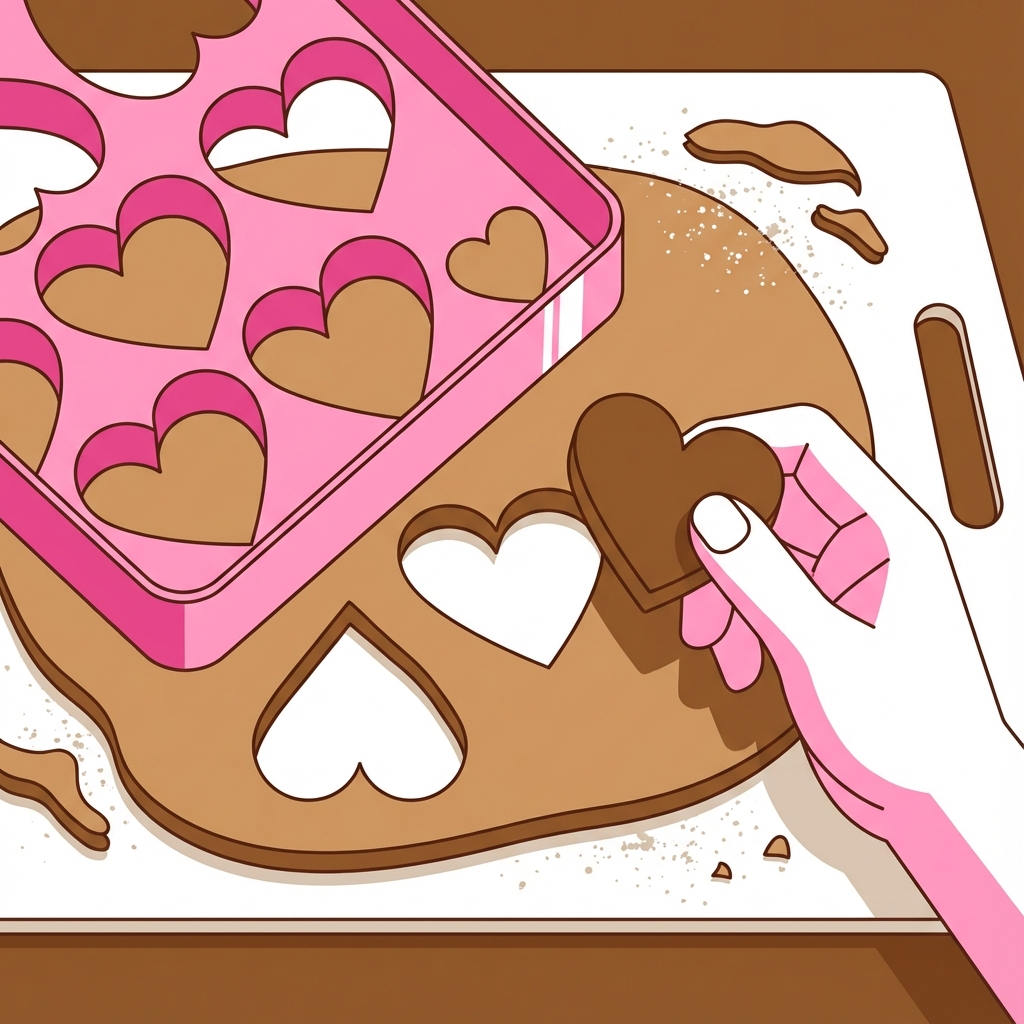
Classes are blueprints for creating objects. Think of them as cookie cutters - one template that creates many identical shaped cookies.
A cookie cutter is a template. You use it once to create many cookies with the same shape. A class works the same way - it's a template for creating many objects with the same structure.
Class vs Object
- 🔧 Class: The blueprint/template (cookie cutter)
- 🍪 Object: The actual thing created (cookie)
Class Definition: All dogs have name, breed, age, and can bark()
Objects Created:
- dog1: "Buddy", "Golden Retriever", 3
- dog2: "Max", "Beagle", 5
- dog3: "Luna", "Husky", 2
Why Classes Matter
- ♻️ Reusability: Define once, create many
- 🎯 Consistency: All objects have same structure
- 🧹 Organization: Group related code together
- 🔒 Encapsulation: Hide complex details
Class Components
- 🏗️ Constructor: Initializes new objects
- 📝 Properties: Data each object will have
- ⚡ Methods: Actions each object can perform
Real-World Examples
- 👤 User Class: Create thousands of user accounts
- 🛒 Product Class: Create catalog of products
- 🚗 Vehicle Class: Create cars, trucks, bikes
- 📧 Email Class: Create email messages
- 🎮 Enemy Class: Create game enemies
Creating Objects from Classes
car1 = new Car("Toyota", "Red", 2024)
car2 = new Car("Honda", "Blue", 2023)
car3 = new Car("Ford", "Black", 2025)
Inheritance
Classes can inherit from other classes!
Animal Class (parent)
↓
Dog Class (child) - inherits from Animal
Cat Class (child) - inherits from Animal
The bottom line: Classes are templates for creating objects. Just like a cookie cutter lets you make many identical cookies efficiently, classes let you create many similar objects with consistent structure. They're essential for building scalable applications!